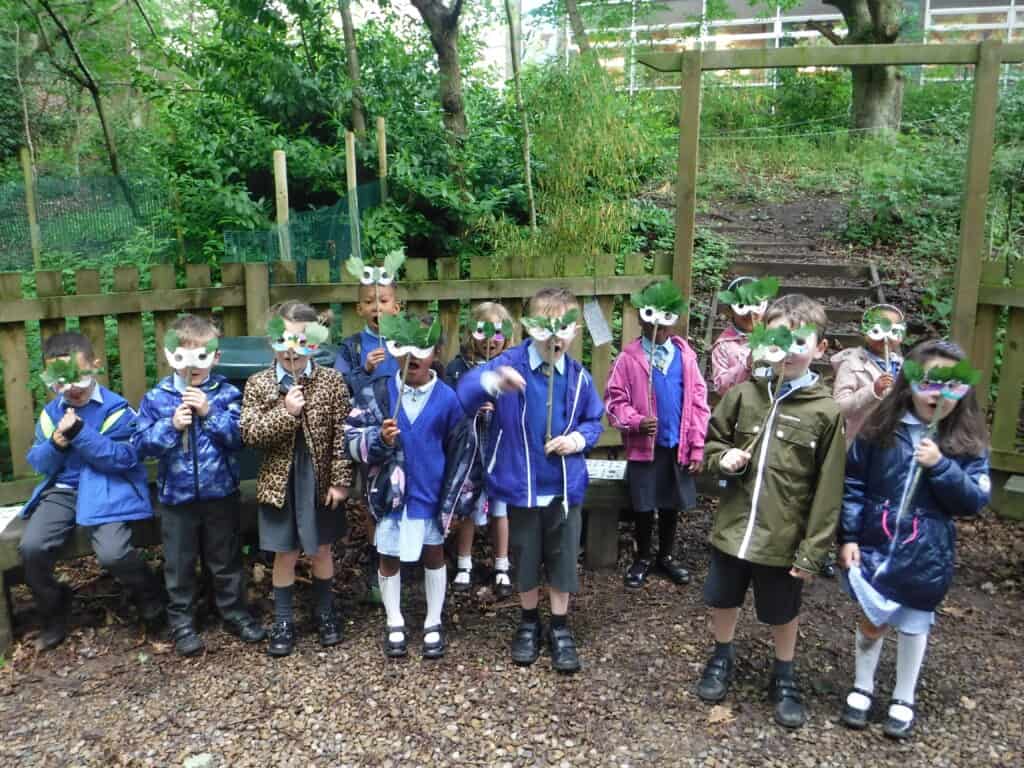
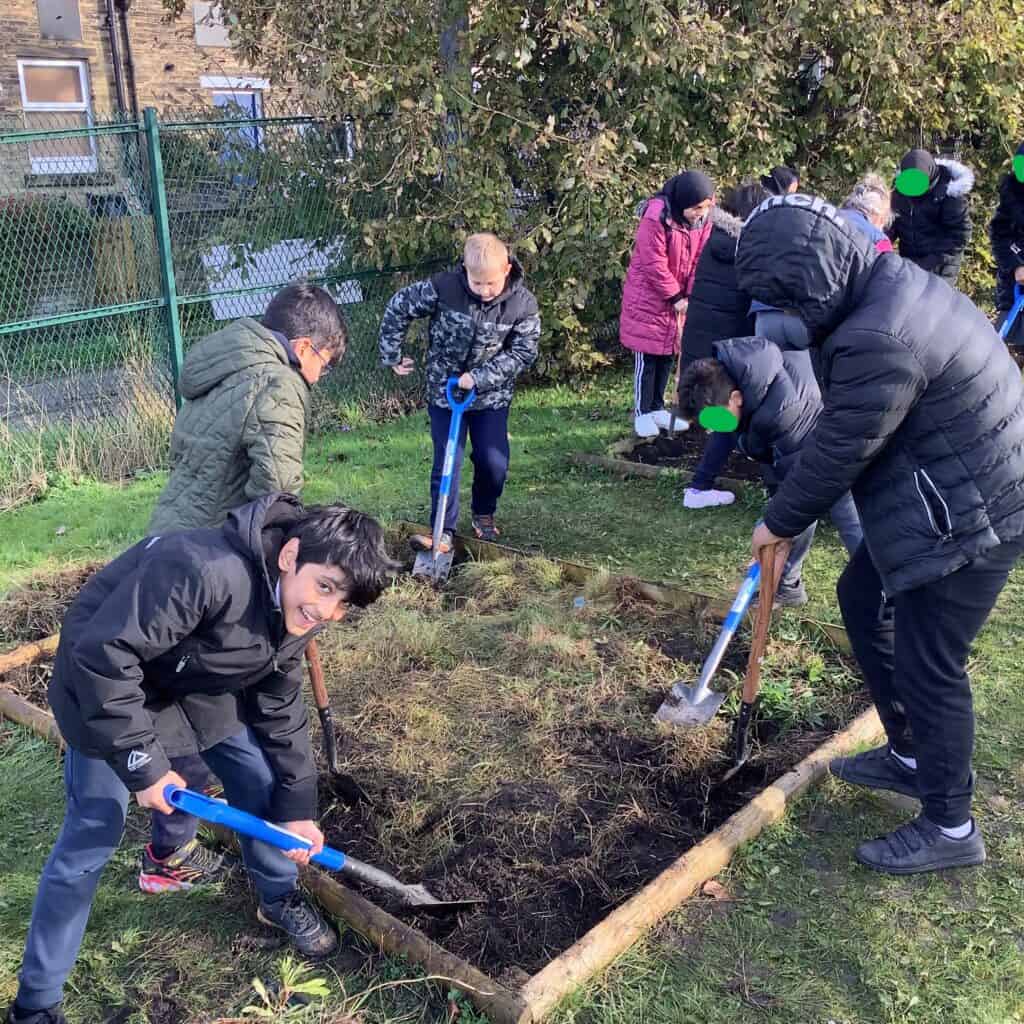
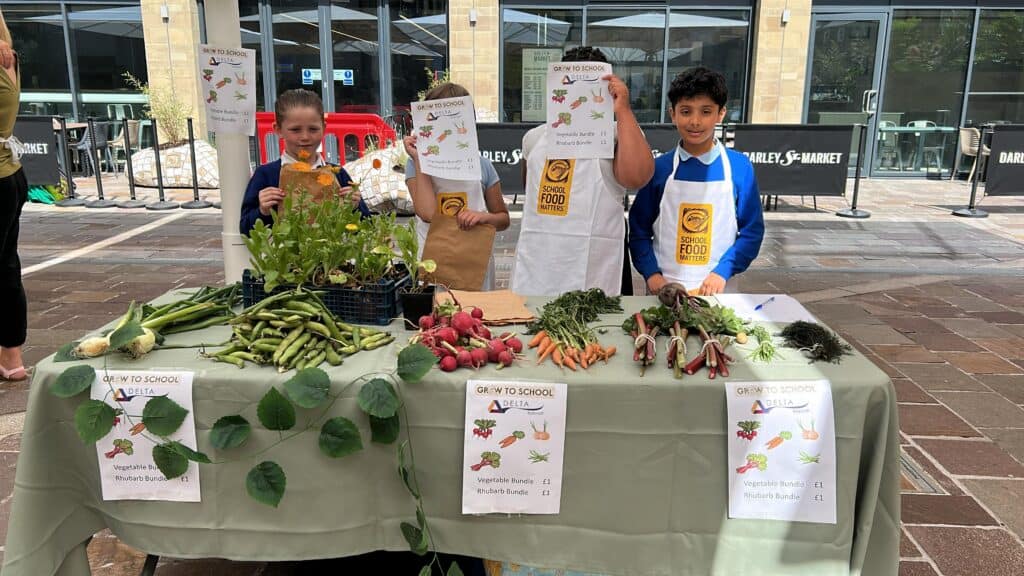
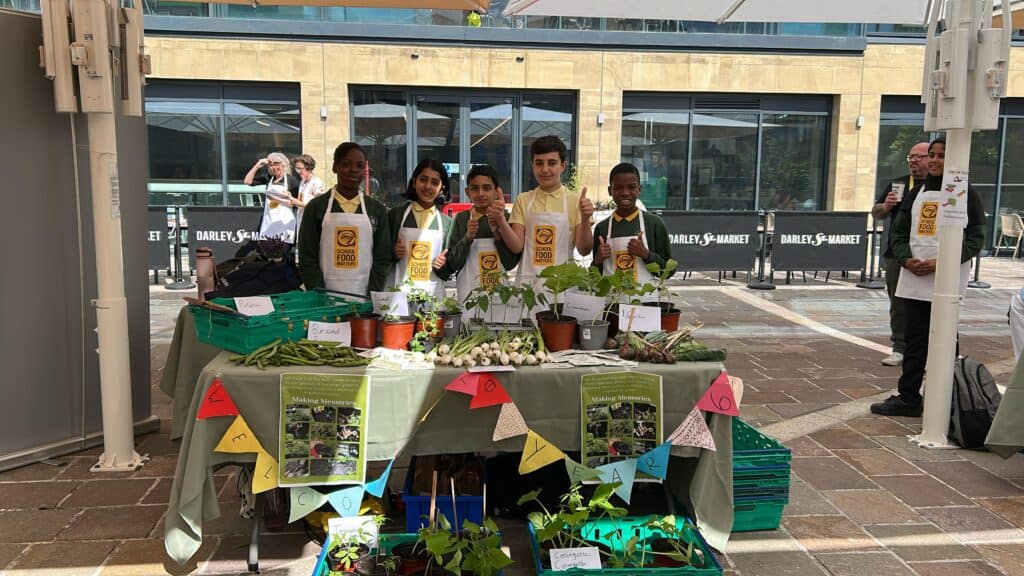
Outdoor learning can transform educational experiences by taking lessons beyond the four walls of a classroom. It’s a planned and purposeful approach to teaching that uses outdoor activities and resources to support engagement, wellbeing and environmental awareness.
However, despite the many benefits, the idea of taking students out of the classroom can feel daunting for teachers. Teaching outside takes confidence and preparation to create hands-on experiences, spark curiosity and nurture a love for nature, all whilst maintaining student safety.
So, how can teachers feel confident managing lessons outside the classroom and can outdoor learning keep children focused? In this article, Nicole Sherwood from specialist education recruitment agency, Spencer Clarke Group, explores the key benefits of outdoor learning and strategies to keep students engaged. You’ll also learn how Grow to School helps teachers effectively plan and deliver outdoor lessons.
What are the benefits to outdoor learning?
The key benefits of outdoor learning for children, include:
- Boosting mental health and wellbeing.
- Developing a love of nature.
- Promoting inclusivity.
- Enhancing learning.
- Supporting overall child development.
How can teachers build confidence and keep classes engaged outdoors?
5 ways teachers can build confidence and keep classes engaged outdoors, include:
- Planning outdoor activities and challenges.
- Using familiar outdoor spaces.
- Assigning learners specific outdoor roles.
- Breaking the class into smaller groups.
- Reflecting after each outdoor lesson.
Planning outdoor activities and challenges
There are plenty of opportunities for outdoor learning and curriculum-linked activities that will engage students. Starting with small, manageable activities such as planting, observing or
describing textures gives students the chance to experience the natural world in real life. These hands-on experiences help students connect with nature and learn without books or screens.
Planning small activities around clear learning goals or curriculum topics can also help teachers feel more prepared and ensure outdoor lessons remain purposeful. Small activities and challenges can build teachers’ confidence over time and help students stay engaged.
As their confidence grows, teachers can organise more hands-on activities such as harvesting and building garden structures. This can help prepare them for movement-based tasks such as scavenger hunts and nature trails to help students learn in a creative way.
Using familiar outdoor spaces
Unfamiliar spaces can leave students and teachers feeling uneasy. When students feel uncomfortable, they’re less likely to relax, participate and learn. Teaching in familiar areas outside the classroom, like the playground, can provide comfort and confidence to students and teachers.
Whether it’s playing football, identifying plants, or drawing the nature that surrounds them, students can engage in outdoor learning in spaces they know well within the school grounds. This makes teaching more manageable and learning more engaging for students.
Starting with familiar spaces allows teachers to practise outdoor routines, set boundaries and test activities in a low-pressure environment. As confidence grows, lessons can gradually expand to local parks and nature reserves, building on the experience gained within the school grounds.
Assigning learners specific outdoor roles
To get more students active and involved in outdoor learning, teachers can assign roles that build responsibility and keep students focused. Roles like gardener, observer, equipment manager and wildlife spotter gives each student a purpose and makes time outside more engaging. These responsibilities can strengthen students’ connection to nature and their respect for the environment.
When students have clear responsibilities, they are more likely to stay focused and engaged, making classes easier to manage and less chaotic. By assigning roles, teachers create structure, share tasks with students and build a supportive, engaging environment where everyone helps each other.
Breaking the class into smaller groups
Working outdoors in small groups gives children more opportunities to explore, communicate and learn through hands-on activities. Teaching assistants can help by dividing the class into smaller, easier-to-manage groups or providing vital one-to-one support to ease the teacher’s workload and ensure every child gets support. Smaller groups are easier to supervise in larger outdoor areas, helping teachers stay confident and in control of the lesson.
Small-group activities allow different groups to work on separate tasks at the same time. For example, one group might observe plant growth while another investigates soil composition. The groups can then rotate so every child can engage closely with hands-on scientific activities, rather than waiting in a large group for their turn or getting distracted.
Working together in small groups or teams can make interactions more meaningful, as well as boost creativity, teamwork and sensory awareness. This targeted support gives students a more personal experience and opportunities to explore, ask questions and experiment independently.
Reflecting after each outdoor lesson
Outdoor learning is about more than simply being outside, building dens or observing wildlife. Spending time outdoors can reduce stress as well as improve mood and attention spans, making lessons outside a refreshing change from indoor routines.
Having lessons in nature creates a calm, engaging environment where children can slow down, focus and learn with purpose. Outdoor lessons are valuable not only for hands-on learning but also for guided conversations, quiet contemplation and reflection.
Activities like nature journaling, sharing circles and group discussions can help children talk about what they enjoyed during outdoor lessons, what they learned and what they want to explore next. When teachers reflect on what worked, what didn’t and how children responded, they can adjust their approach, refocus and recharge.
Listening to children’s ideas and feedback helps teachers feel confident planning more engaging outdoor lessons in the future. Teachers can provide more hands-on activities, explore new areas of the school grounds, or spend more time observing wildlife with students.
How does Grow to School make outdoor learning easier for Teachers?
Growbag Toolkits – food growing in schools
A structured, year‑round programme that makes growing food in school achievable for everyone. The Growbag Toolkit links food growing to learning, wellbeing and nature connection, even in schools with limited space or experience.
Outdoor curriculum lessons
Hands‑on outdoor sessions that bring the curriculum to life. We work directly with classes, modelling engaging lessons across subjects such as science, history, geography and literacy, while building teacher confidence to teach outdoors.
Teach it Outside – lesson plans for teachers
A library of ready‑to‑use, curriculum‑linked outdoor lesson plans. Resource‑light, easy to follow and simple to evidence, these lessons remove the planning barrier and make outdoor learning feel manageable.
Teacher training and CPD
Practical training designed to help staff feel confident teaching outside. Sessions focus on using school grounds effectively, managing groups outdoors and embedding outdoor learning into everyday teaching.
SEND‑inclusive outdoor learning resources
Accessible, sensory‑rich resources that support children with special educational needs and disabilities. Activities are adaptable, inclusive and designed to ensure every child can thrive outdoors.
Free resources and activity packs
Guidance, lesson plans, videos, worksheets and activity packs that help teachers get started and keep momentum, even with minimal time or resources.
Spencer Clarke Group is a specialist education recruitment agency based in the North West. Operating nationwide, they help schools to find experienced teaching and support staff on a daily, temporary, temp-perm or permanent basis.