
Statistics
Learning in an outdoor environment can have lasting impact on a child’s educational journey and future happiness. The proof is out there. We have collected some recent statistics from our own work that reflect this impact and cite some important research reports that provide evidence of improvement in attainment, life skills, wellbeing and behaviour.

We’ve worked with 47,382 children since 2010

26,671 children have grown veg with the Growbag programme

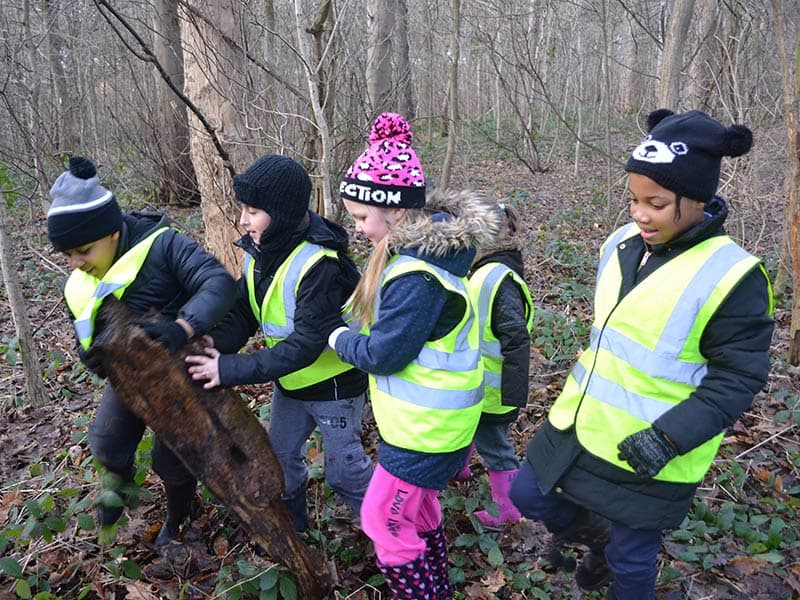
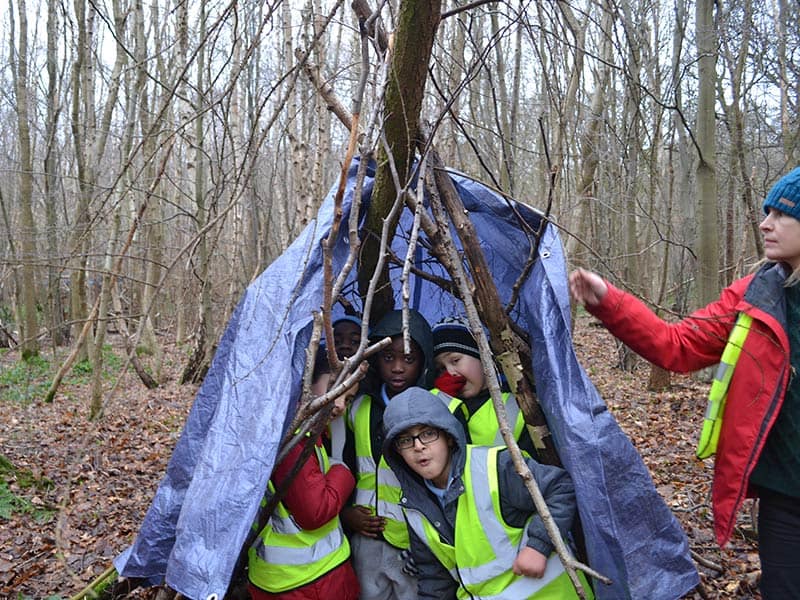
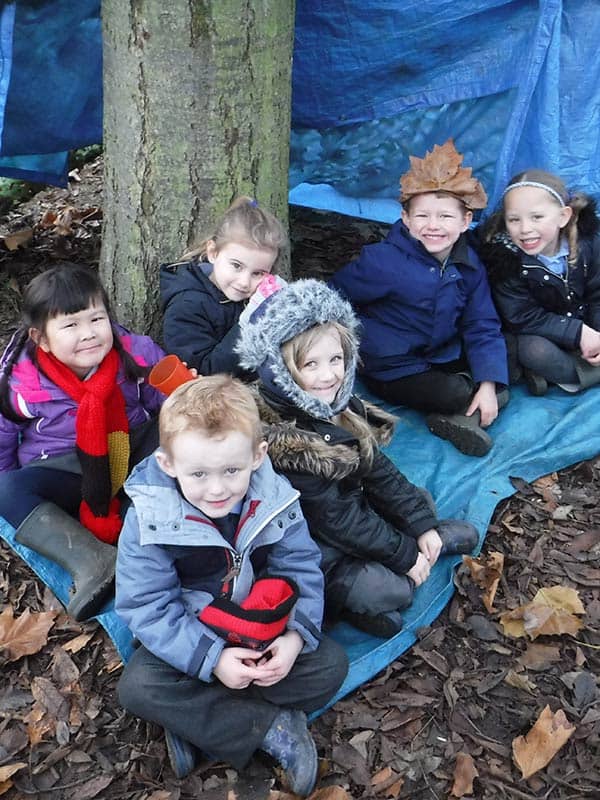
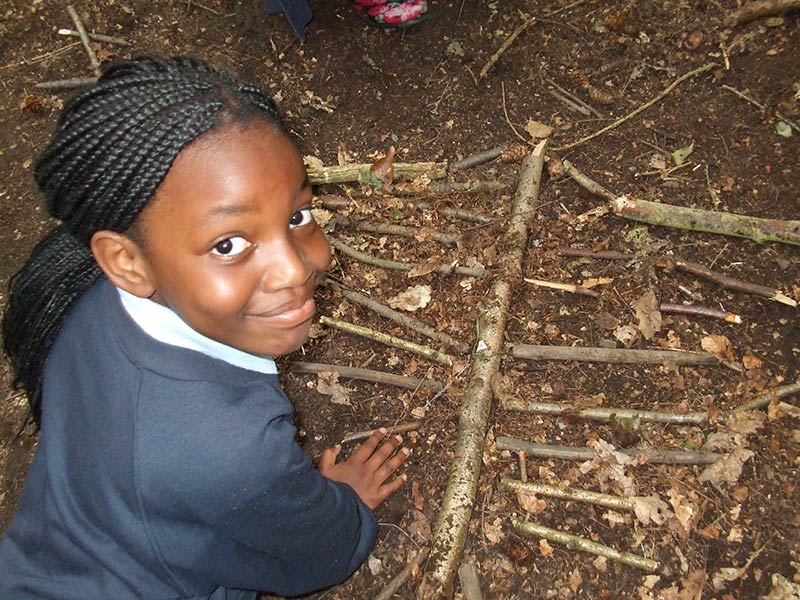
89% enjoyed getting their hands dirty and built things with sticks

80% of children enjoyed working together with their classmates

90% of teachers saw their class confidently take on new challenges

85% of teachers saw children broaden their curriculum knowledge

95% of teachers saw their pupils communicate and work better with their classmates

90% of teachers felt equipped to implement outdoor learning following CPD
Research
Below are some key evidence reports that show the beneficial impacts of outdoor learning. We are keen to take part in research studies to build on this evidence base. In line with the Aims of CLoTC, we want to help embed outdoor learning firmly in the curriculum.
Wellbeing
Natural Childhood report
by Stephen Moss. National Trust 2012
The impacts of “nature deficit disorder” on children and the educational benefits of learning in a natural environment.
This survey gathers evidence relating to people’s enjoyment, access, understanding of and attitudes to the natural environment, and its contributions to wellbeing.
Behaviour
An analysis of pupils’ and teachers’ views.
Marchant et al (May 2019)
A research report on the impacts of curriculum-based outdoor learning for children aged 9-11.
“At the start of the programme, teachers recognised an improvement in classroom behaviour and even an improvement in the quality of work produced by pupils.”
Attainment and life skills
Wilderness Schooling
T. Quibellaa, J. Charltonb,* and J. Lawb (2017)
aWilderness Schooling, Hexham, UK; bSchool of Education, Communication and Language Sciences, Newcastle University, UK
Children who participated in this outdoor learning programme increased their attainment in English reading, writing and maths.
“Placing children in the outdoors for learning allows for increased engagement of the senses, engaging sight, sound, smell and touch. This may allow for more attentive, and a richer form, of learning”.
Student Outcomes and Natural Schooling
Malone, K. Waite, S. (2016)
An impact report that moves through the evidence supporting the many ways children’s experiences in natural environments benefits their educational attainment and the development of resilience.
“Teaching and learning in natural environments offers one way to overcome barriers to attainment and social inequalities”.
Food Growing in Schools Taskforce – Report
(March 2012) Garden Organic and DEFR
Food growing can increase children’s scientific knowledge, and their environmental awareness. It also teaches them practical skills that will be useful throughout their lives.
“Food growing is often the catalyst for the creation of a whole school food approach, and a broad range of school development activities”.
Make the move to learning outside
Join our mailing list
Stay up to date with outdoor learning.
We’ll just send you information about our own outdoor learning support

